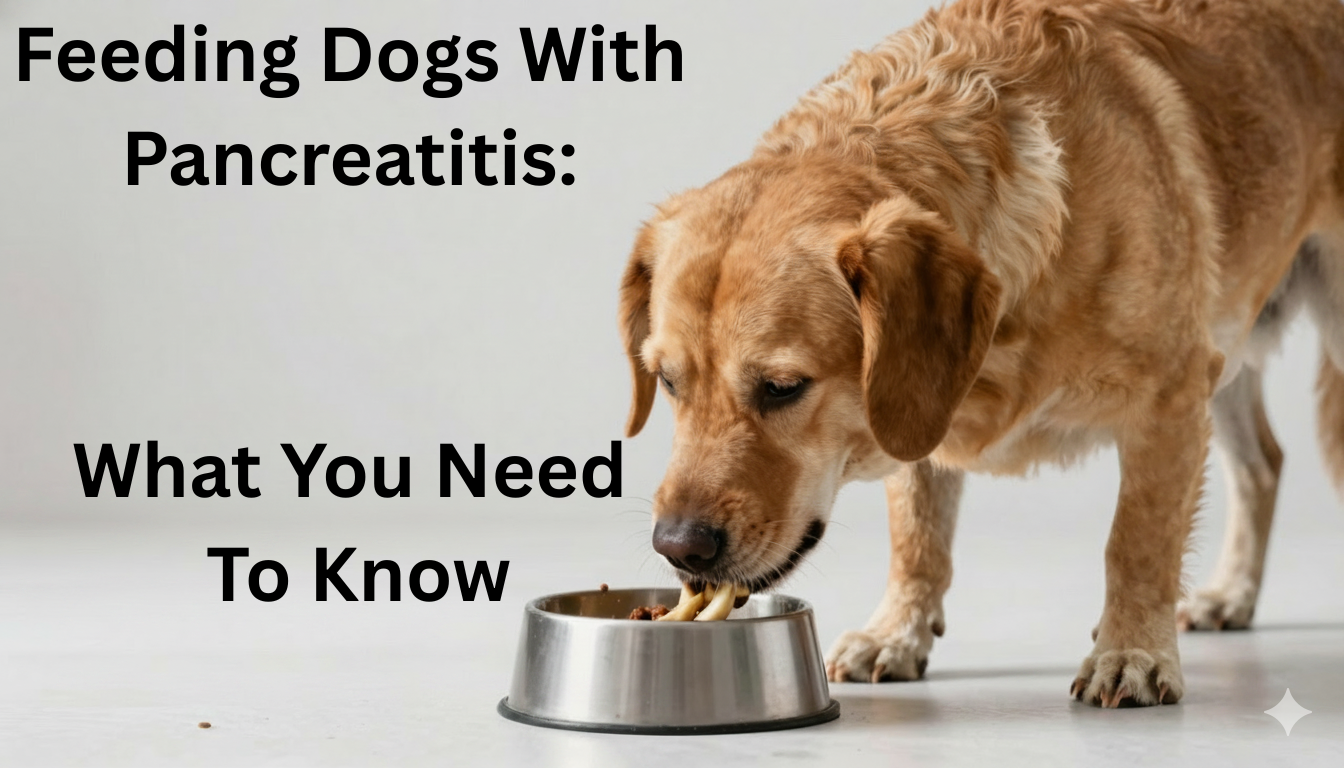
Feeding Dogs with Pancreatitis: Key Dietary Considerations
Feeding a dog with pancreatitis can be a crucial but challenging task. As a responsible pet owner, it’s essential to understand the specific dietary needs of dogs suffering from this condition to ensure their health and well-being. Pancreatitis is an inflammation of the pancreas that can lead to severe pain, vomiting, and other serious issues if not managed properly. Here’s what you need to know about feeding dogs with pancreatitis.
Understanding Pancreatitis in Dogs
Pancreatitis in dogs occurs when the pancreas becomes inflamed, often as a result of high-fat diets, certain medications, or even genetic predisposition. The pancreas plays a vital role in digestion and metabolism by producing enzymes that help break down food. When it’s inflamed, these enzymes can become activated prematurely, causing further damage. Because of this, the diet you choose for your dog can make a significant difference in their recovery and management of the disease.
Key Dietary Considerations
When it comes to the diet of a dog with pancreatitis, several key considerations can help manage the condition effectively:
- Low-Fat Diet: A low-fat diet is crucial for managing pancreatitis. Foods high in fat can exacerbate the condition. Generally, aim for a diet with less than 10% fat content.
- Frequent Smaller Meals: Instead of one or two large meals, feed your dog several smaller meals throughout the day. This eases the strain on the pancreas and can help with digestion.
- High-Quality Proteins: Choose lean sources of protein. Options like boiled chicken, turkey, and fish can provide the necessary nutrients without overwhelming the pancreas.
- Cooked Vegetables: Incorporate cooked, low-starch vegetables such as carrots, green beans, or pumpkin. These provide essential vitamins and minerals while being gentle on the stomach.
- Avoid Human Food: Human food can often be high in fat and spices, which are detrimental to a dog with pancreatitis. Stick to vet-recommended pet food.
Types of Dog Foods
When selecting the right dog food for a dog with pancreatitis, choosing the right type is essential. Consider these options:
- Prescription Diets: Many veterinary clinics offer specialized prescription diets formulated for dogs with pancreatitis. These foods are designed to be low in fat and contain easily digestible ingredients, making them suitable for dogs recovering from the condition.
- Home-Cooked Meals: Preparing meals at home can allow for better control over ingredients. Consult with your vet about what food items and portions would be appropriate.
- Commercial Low-Fat Dog Foods: Some commercial brands offer low-fat options formulated for dogs with pancreatitis. Always read labels and consult your vet for recommendations.
Hydration is Key
Alongside dietary changes, maintaining proper hydration is essential. Ensure your dog has constant access to water. This is crucial, especially if they’ve experienced vomiting, which can lead to dehydration. If your dog is reluctant to drink, consider offering ice cubes or providing water-enhanced toys for stimulation.
Monitor Your Dog’s Reaction
After making dietary changes, keep a close eye on your dog’s reactions. Check for any signs of discomfort or adverse effects such as vomiting or diarrhea. If you notice these symptoms, contact your veterinarian immediately. Keeping a journal of what you feed your dog and their reactions can help your vet fine-tune their diet.
The Role of Veterinary Guidance
When it comes to managing pancreatitis, working closely with your veterinarian is pivotal. They can provide tailored advice, recommend specific diets, and suggest supplements that may assist in your dog’s recovery process. Regular follow-ups ensure that your dog is responding well to the dietary changes and guide any necessary adjustments.
Feeding dogs with pancreatitis involves thoughtful consideration of diet and attentive monitoring of their health. By focusing on low-fat, high-quality ingredients and maintaining hydration, you can help your dog lead a healthier, more comfortable life. Always seek professional guidance to determine the best feeding strategy tailored specifically to your dog’s unique needs.

Understanding the Symptoms of Pancreatitis in Dogs
Pancreatitis in dogs is a serious condition that requires your attention and understanding. Knowing the symptoms of this illness is key to identifying it early and ensuring your furry companion receives the necessary care. Pancreatitis occurs when the pancreas becomes inflamed, often due to a variety of triggers including dietary indiscretion, obesity, and certain medications. Here, we will explore the common signs to watch for if you suspect your dog might be suffering from this condition.
Common Symptoms to Watch For
Recognizing the symptoms of pancreatitis can be critical in getting your dog the help they need. Some of the most common signs include:
- Vomiting: Frequent vomiting is often one of the first signs that something is wrong. If your dog is experiencing recurring vomiting, it could indicate pancreatitis.
- Diarrhea: Loose stools or diarrhea can occur frequently. Pay attention to any changes in your dog’s bowel movements.
- Abdominal Pain: Dogs may exhibit signs of discomfort, like whimpering, whining, or seeking a comfortable position. A bloated abdomen can also be a sign.
- Lack of Appetite: If your pet suddenly shows little to no interest in food, this can signal underlying issues, including pancreatitis.
- Lethargy: Noticeable changes in energy levels are important. If your dog seems less playful or more tired than usual, it’s worth investigating.
Less Common But Critical Symptoms
In addition to common signs, keep an eye out for the following less typical symptoms:
- Fever: A high temperature can occur due to inflammation. If you suspect your dog has pancreatitis, checking their temperature could provide useful insight.
- Dehydration: Watch for signs such as dry gums or excessive drooling. Dehydration can complicate your dog’s condition and needs to be addressed quickly.
- Changes in Behavior: If your normally social dog becomes withdrawn, it could indicate pain or discomfort. Behavioral changes can be significant markers of illness.
It’s crucial to keep a close eye on these symptoms, as they can indicate that your dog’s condition is worsening. Even if your pet exhibits only mild signs, it’s a good idea to consult with your veterinarian. Early intervention can make a significant difference in the treatment of pancreatitis.
What to Do If You Suspect Pancreatitis
If you notice any symptoms suggesting pancreatitis in your dog, take action immediately. Here’s what you can do:
- Contact Your Veterinarian: Don’t hesitate to call your vet and describe the symptoms. They might recommend bringing your dog in for an examination or suggest monitoring at home.
- Follow Veterinary Recommendations: Depending on the diagnosis, your vet might suggest a special diet or medication to manage the symptoms.
- Observe Your Dog: Keep an eye on your pet’s behavior and symptoms closely. Note any changes or new symptoms, which can be helpful information for your vet.
Understanding the symptoms of pancreatitis in dogs is not just important for diagnosis but can also guide treatment and management. By being aware and vigilant, you can help ensure that your furry friend receives the best care possible.
Prevention Tips
Although not every case of pancreatitis can be prevented, there are steps you can take to reduce the risk:
- Maintain a Healthy Weight: Obesity is a major risk factor for pancreatitis. Ensure your dog stays within a healthy weight range.
- Avoid Rich Foods: Steer clear of giving your dog table scraps or fatty foods that can trigger pancreatitis.
- Regular Vet Check-ups: Routine check-ups can help catch potential health issues early and keep your dog healthy overall.
By staying informed and proactive about your dog’s health, you can help assess and address any issues quickly, providing them with a longer, happier life.
Recommended Foods and Supplements for Dogs with Pancreatitis
Feeding dogs with pancreatitis can be quite challenging, but understanding the right foods and supplements can make a significant difference in their health. Pancreatitis in dogs is an inflammation of the pancreas, which can lead to severe discomfort and digestive issues. The key to supporting your furry friend lies in tailoring their diet carefully to avoid aggravating their condition while ensuring they receive adequate nutrition.
Start with low-fat, easily digestible foods. These will help reduce the workload on the pancreas and prevent further issues. Here are some recommended food options that are generally safe for dogs with pancreatitis:
- Lean Proteins: Chicken breast, turkey, and certain fish like salmon or whitefish are good protein choices. They should be skinless and cooked without any added fats or seasonings.
- Rice: Plain white rice is a great source of carbohydrates that is easy on the stomach. It can help provide energy without stressing the pancreas.
- Sweet Potatoes: These are a great source of fiber and can help with digestion. They should be boiled or baked without added sugars or fats.
- Oatmeal: Oatmeal is another digestible grain that can be beneficial. It’s high in fiber, which can help regulate digestion.
- Plain Pumpkin: Canned pumpkin (not the spiced pie filling) is high in fiber and can assist with digestive health.
When selecting commercial dog foods, look for those specifically formulated for dogs with pancreatitis. These diets are usually low in fat and designed to be gentle on the digestive system. Check the labels for the following:
- Less than 10% fat on a dry matter basis.
- No added sugars or artificial flavors.
- High-quality protein sources listed first.
In addition to the right foods, certain supplements can support your dog’s recovery and overall health. Consider the following options, but always consult your veterinarian before introducing any new supplements:
- Probiotics: These beneficial bacteria can help restore balance in your dog’s gut. They may improve digestion and reduce gastrointestinal issues.
- Digestive Enzymes: These help in breaking down food and can make nutrient absorption easier for your dog.
- Omega-3 Fatty Acids: Found in fish oil, these can help reduce inflammation and promote a healthier coat. They are particularly beneficial for dogs with pancreatitis.
- Dietary Fiber: Supplementing with fiber can help manage regularity. Look for options like psyllium husk or ground flaxseed, but introduce them slowly.
Portion control is equally important when feeding a dog with pancreatitis. It’s best to feed smaller, more frequent meals to ease the digestion process. This also helps prevent spikes in insulin that can stress the pancreas. Monitor your pet’s weight regularly and adjust their food intake as necessary. If you’re unsure about appropriate portion sizes, consult your veterinarian for personalized guidance.
Ensure your dog stays hydrated, especially if they have recently experienced pancreatitis flare-ups. Encourage them to drink plenty of fresh water, as dehydration can exacerbate their condition. Avoid giving them treats or table scraps, as even small amounts of high-fat foods can trigger an episode.
Feeding dogs with pancreatitis requires a thoughtful approach, focusing on low-fat, easily digestible options. the right foods and supplements can aid in managing their symptoms and promote better health. Always consult your vet for tailored advice and before making any significant dietary changes. Your dedication to providing the best care for your canine companion will help them lead a happier, healthier life.
Long-term Management Strategies for Canine Pancreatitis
Canine pancreatitis is a serious condition that requires careful long-term management to ensure your dog’s health and well-being. If your furry friend has been diagnosed with pancreatitis, understanding effective strategies for maintaining their health is crucial. Here’s what you need to know.
Dietary Changes
One of the most significant aspects of managing pancreatitis in dogs involves dietary modifications. Feeding your dog the right type of food can alleviate symptoms and prevent flare-ups. Here are some key points to focus on:
- Low-Fat Diet: Opt for a diet specially formulated for dogs with pancreatitis. Look for foods that have low-fat content, as excessive fat can exacerbate the condition.
- High-Quality Protein: Choose lean protein sources like chicken, turkey, or fish. These provide essential nutrients without overwhelming the pancreas.
- Frequent Small Meals: Instead of giving your dog two large meals a day, divide their daily portion into smaller, more frequent meals. This can reduce the workload on their pancreas.
- Avoid Treats and Table Scraps: It can be tempting to give your dog a bite of your food, but fatty treats can lead to a flare-up. Stick to vet-approved treats.
Regular Veterinary Check-ups
Routine visits to the veterinarian are essential for dogs with a history of pancreatitis. Regular check-ups allow for early detection of any potential issues and adjustments to your dog’s treatment plan. During these visits, your vet may:
- Monitor blood work to assess pancreatic function and overall health.
- Evaluate your dog’s weight and make dietary recommendations based on any changes.
- Discuss any medications that might be necessary to aid digestion or manage discomfort.
Medications and Supplements
In some cases, your veterinarian might prescribe medications to help manage the symptoms or prevent complications of pancreatitis. Some common medications include:
- Digestive Enzymes: These can help your dog digest food more effectively, reducing the stress on their pancreas.
- Anti-nausea Medications: If your dog experiences nausea, your vet may recommend drugs to alleviate this discomfort.
Additionally, some vets suggest supplements such as Omega-3 fatty acids to promote overall health and reduce inflammation. Always consult your vet before adding new supplements to your dog’s diet.
Environmental Considerations
Your dog’s environment can also impact their health. Maintaining a calm and stress-free home can contribute positively to their overall well-being. Consider implementing these strategies:
- Limit Stressful Situations: Keep your dog away from stressful environments, whether it’s loud noises or aggressive interactions with other pets.
- Provide Gentle Exercise: Regular but gentle exercise is vital. Short walks or play sessions can help keep your dog fit without causing additional strain on their body.
Monitoring and Care at Home
Effective long-term management of pancreatitis requires close monitoring of your dog’s condition at home. Keep an eye on their eating habits, energy levels, and any signs of discomfort, such as vomiting or lethargy. If you notice any changes that concern you, reach out to your vet immediately.
Maintaining an open line of communication with your veterinarian will empower you to make informed decisions about your pet’s care. Remember that every dog is unique; what works for one may not work for another. Tailor your approach to your dog’s specific needs, and stay proactive in their health management.
Understanding that managing canine pancreatitis can feel overwhelming is essential. By implementing dietary changes, attending regular vet check-ups, possibly administering medications, and creating a supportive home environment, you can significantly improve your dog’s quality of life. With attentive care and the right strategies, you can help your furry companion lead a happy and healthy life.
How to Transition Your Dog’s Diet Safely After Pancreatitis Diagnosis
Transitioning your dog’s diet after a pancreatitis diagnosis can seem overwhelming, but it is crucial for their recovery. Making the right dietary choices supports your dog’s digestive health and helps avoid further health issues. Here’s what you need to know to safely change your dog’s diet.
Understand the Basics of Pancreatitis in Dogs
Before changing your dog’s diet, it’s important to understand pancreatitis. This condition occurs when the pancreas becomes inflamed, affecting its ability to produce digestive enzymes. Dogs with pancreatitis need a diet that is low in fat and highly digestible. This helps reduce the workload on the pancreas, giving it a chance to heal.
Consult Your Veterinarian
Always consult your veterinarian before making any dietary changes. They will provide tailored recommendations based on your dog’s specific health needs, weight, and condition. A vet can also recommend a suitable commercial dog food or a home-cooked diet, depending on your preference and your dog’s requirements.
Choose Low-Fat, High-Quality Ingredients
When selecting dog food, focus on low-fat options. Look for ingredients such as:
- Chicken or turkey (skinless)
- Lean cuts of beef
- Fish, such as salmon or whitefish
- Eggs
- Well-cooked rice or sweet potatoes
These foods provide essential nutrients without excess fat. Be sure to read labels carefully to ensure that your selected food meets the needed fat content. Ideally, the fat content should be less than 10% on a dry matter basis.
Gradual Transition
Transition your dog’s diet gradually over 7 to 10 days to avoid digestive upset. Start by mixing a small amount of the new food with their old food. Increase the new food portion while decreasing the old food each day. This gradual process helps your dog’s digestive system adjust.
Portion Control is Essential
Managing portion sizes is vital when feeding a dog with pancreatitis. Measure food based on your vet’s recommendations, and consider your dog’s size, age, and activity level. Avoid giving too many treats, as they can add extra fat and calories. Treats should be healthy and low in fat too—think carrots or slices of apple without seeds.
Monitor Your Dog’s Response
Observe your dog during the transition. Look for signs of digestive upset, such as vomiting, diarrhea, or lack of appetite. If your dog experiences any adverse reactions, consult your veterinarian immediately. Keeping a journal of their food intake, behaviors, and any symptoms will help you and your vet evaluate progress.
Stay Consistent with Feeding Times
Establish a regular feeding schedule to help your dog adjust. Consistency aids in digestion and can help prevent pancreatitis flare-ups. Feed smaller, more frequent meals rather than one or two large meals each day. This approach lessens the burden on your dog’s digestive system.
Hydration is Key
Water intake is crucial when transitioning your dog’s diet. Make sure your dog always has access to fresh water. Staying hydrated supports overall health and helps prevent complications during their recovery.
Consider Supplements
Supplements may benefit dogs recovering from pancreatitis, but only use them under the guidance of your veterinarian. Probiotics can promote a healthy gut flora while digestive enzymes may aid nutrient absorption.
Following Up with Your Vet
After transitioning your dog’s diet, schedule regular follow-ups with your veterinarian. They may recommend blood tests to monitor your dog’s pancreas and overall health. Adjustments to the diet might be necessary based on these evaluations.
Feeding a dog recovering from pancreatitis requires careful planning and monitoring. By understanding your dog’s needs and working closely with your vet, you can ensure a safe and healthy transition to their new diet.
Conclusion
Managing a dog diagnosed with pancreatitis requires a thoughtful and proactive approach. Understanding key dietary considerations is vital since the right food can significantly impact your dog’s recovery and overall health. By recognizing the symptoms of pancreatitis, such as vomiting, lethargy, and abdominal pain, you can take quick action to ensure your furry friend receives the necessary care.
Selecting the right foods and supplements tailored to your dog’s needs plays a crucial role in their well-being. Opt for low-fat, highly digestible diets that are gentle on the pancreas. recommended supplements can further support their recovery and promote optimal health. Long-term management strategies should focus on consistent dietary practices, regular veterinary check-ups, and monitoring any changes in behavior or health.
Transitioning your dog’s diet after a pancreatitis diagnosis should be done gradually to prevent additional stress on their digestive system. Start by mixing the new food with their current diet, slowly increasing the proportion of the new food over several days. This method allows their body to adjust without overwhelming their pancreas.
You have the power to make a significant difference in your dog’s health through proper nutrition and management. By staying informed and attentive, you can help your canine companion lead a happier, healthier life, even in the face of pancreatitis. Always consult with your veterinarian to create a tailored plan that addresses your dog’s unique needs and well-being.